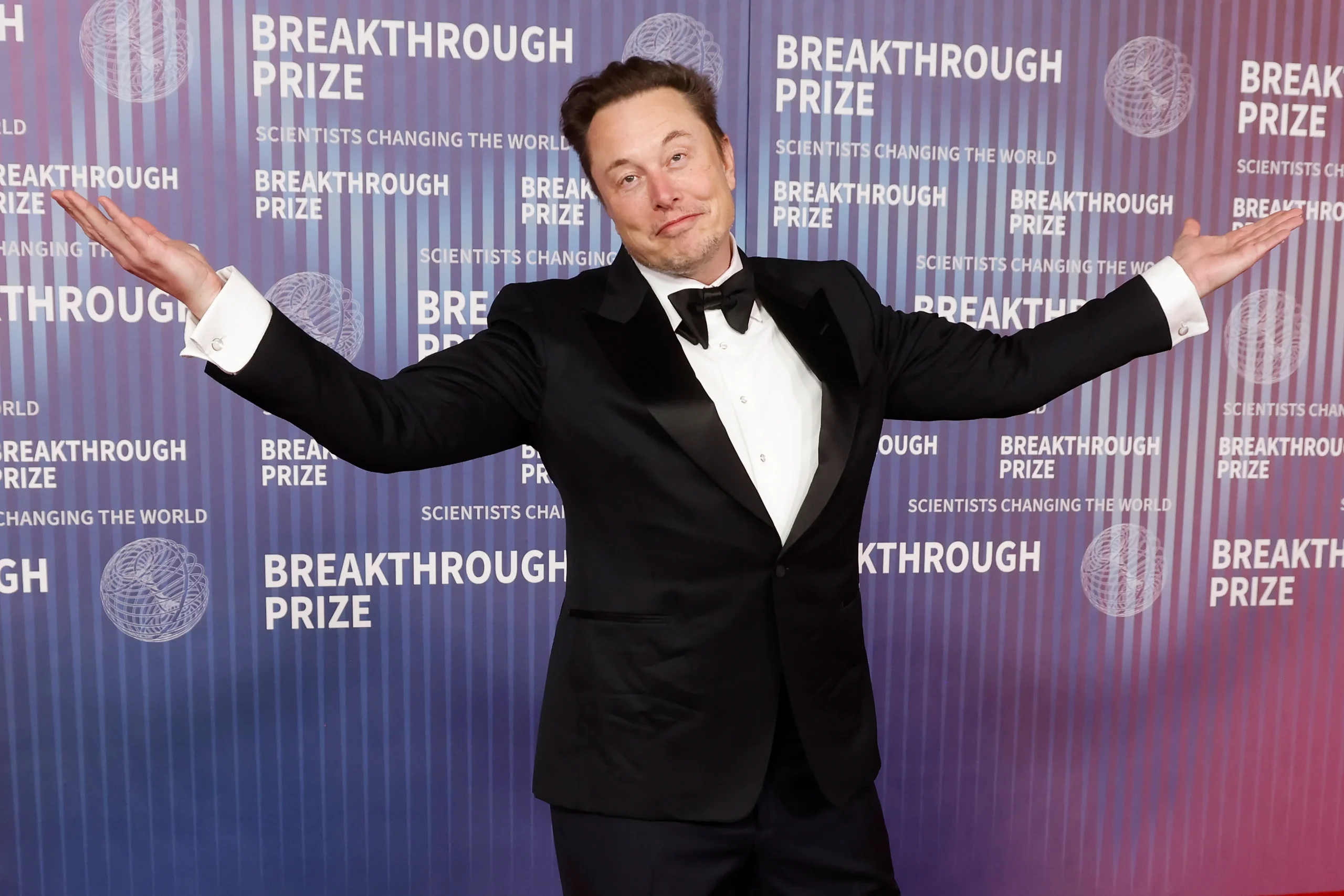

Elon Musk is equal parts electric-vehicle evangelist, space colonization salesman, and headline machine. By 2025 his net worth estimates swing wildly depending on who you ask — but every major tracker agrees on one thing: Musk sits at the very top of the wealth leaderboard, and his fortune is a living, breathing signal of where tech, space, energy, and AI are heading.
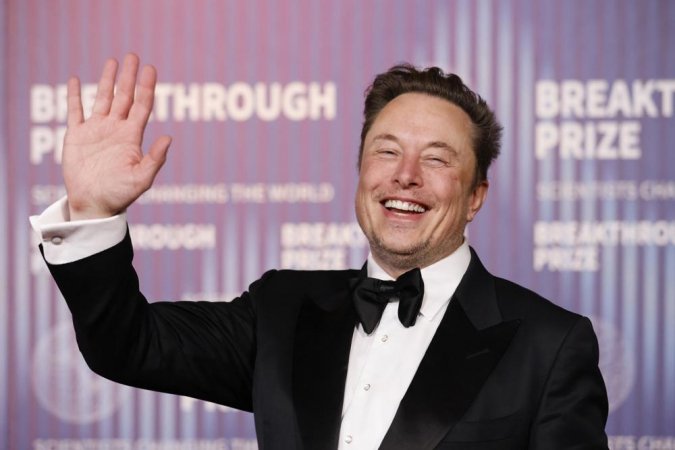
From Schoolyard Wounds to Startup Wins
Bullied as a child in South Africa, teaching himself code at age 10, and leaving home at 17 to pursue opportunity abroad — Musk’s early life reads like a crucible for obsession. He sold his first game at 12, dropped out of Stanford after 48 hours, and poured every dime from early exits into ventures that looked insane at the time: Tesla, SpaceX, and later Neuralink and xAI.
Those early bets — and his willingness to risk everything on ideas others called impossible — built the scaffolding of his wealth and influence.
The 2025 Numbers — Big, Bigger, Biggest (and Volatile)
Estimates for Musk’s net worth in 2025 vary widely because so much of his value is tied to private-company valuations and volatile public stock. Different outlets place him anywhere from ~$342 billion to over $430 billion in 2025, depending on timing and how they value SpaceX and Tesla.
A few of the most impactful facts behind those numbers:
- Peak and plunge: Musk’s fortune hit a spectacular peak (~$486B) in late 2024, then slid as Tesla shares corrected in 2025 — a swing that wiped tens of billions off his paper wealth.
- SpaceX is massive: Private-market valuations placed SpaceX around $350B to $400B, and Musk owns roughly 42%, making SpaceX a cornerstone of his wealth beyond Tesla.
These two lines — Tesla’s public-market drama and SpaceX’s private valuations — explain why Musk’s net worth feels more like a roller coaster than a fixed figure.
Where the Money Lives: Tesla, SpaceX, AI & More
Here’s a simple breakdown of the value engines shaping Musk’s fortune:
- Tesla: The largest public piece of the pie; its market cap swings drive huge daily changes in his net worth.
- SpaceX: A private giant worth hundreds of billions, where Musk’s 42% stake is arguably his most consequential asset.
- xAI / Neuralink / Other bets: Smaller on paper today but vital to Musk’s long-term playbook around AI and human cognition.
- Crypto & cash: Non-core but present; used strategically for investments and liquidity.
Put simply: Musk’s money is an operational toolkit for planetary-scale ambitions — not a pile of passive assets.
The Man Behind the Millions: Philosophy, Work Ethic, and Risk
Musk’s public persona is extreme: marathon workweeks, sleeping at factories, and micromanaging engineering problems. He frames his life around existential missions — colonize Mars, accelerate the energy transition, and ensure AI benefits humanity. That mission-driven mindset justifies, in his view, the enormous accumulation of resources.
A few Musk quotes that capture his engine:
- “When something is important enough, you do it even if the odds are not in your favor.”
- “Failure is an option here. If things are not failing, you are not innovating enough.”
- “I think it is possible for ordinary people to choose to be extraordinary.”
These lines explain why he reinvests rather than relaxes — money is a means to a mission.
Why Americans & Canadians Should Watch Musk Closely
Musk’s moves ripple through markets and policy in North America:
- EV transition: Tesla’s success accelerates adoption, supply-chain shifts, and electrification policies across the U.S. and Canada.
- Space economy: SpaceX’s reusable rockets and satellite networks reshape defense, communications, and broadband access.
- AI & media influence: Musk’s stakes in AI ventures and social platforms shape debates on technology governance, free speech, and platform power.
When Musk bets on an industry, capital and talent follow — making his fortune less a personal scoreboard and more an economic lever.
The Big Paradox: Richest Man, Most Controversial Visionary
Musk is simultaneously lauded as a founder of the future and criticized for temperament, tweets, and governance style. That makes him uniquely consequential: his successes create new industries; his failures — or mistakes — can unsettle markets and public trust overnight.
The volatility of his net worth is therefore more than headline fodder — it’s a thermometer for technological disruption.
Final Takeaway: Money as Fuel, Not the Finish Line
In 2025, Elon Musk’s dollar figure will keep fluctuating — but the real story is constant: he’s using capital to attempt systemic change. Whether you admire him, fear him, or just can’t look away, Musk’s fortune is a strategic war chest aimed at changing where humanity lives (Earth → Mars), how it powers itself (fossil → electric), and how it thinks (AI + neural tech).
If you want to track the fastest-moving fortunes on the planet, watch Tesla trades, SpaceX valuations, and Musk’s next public play — then see how quickly the world rearranges itself around those choices.