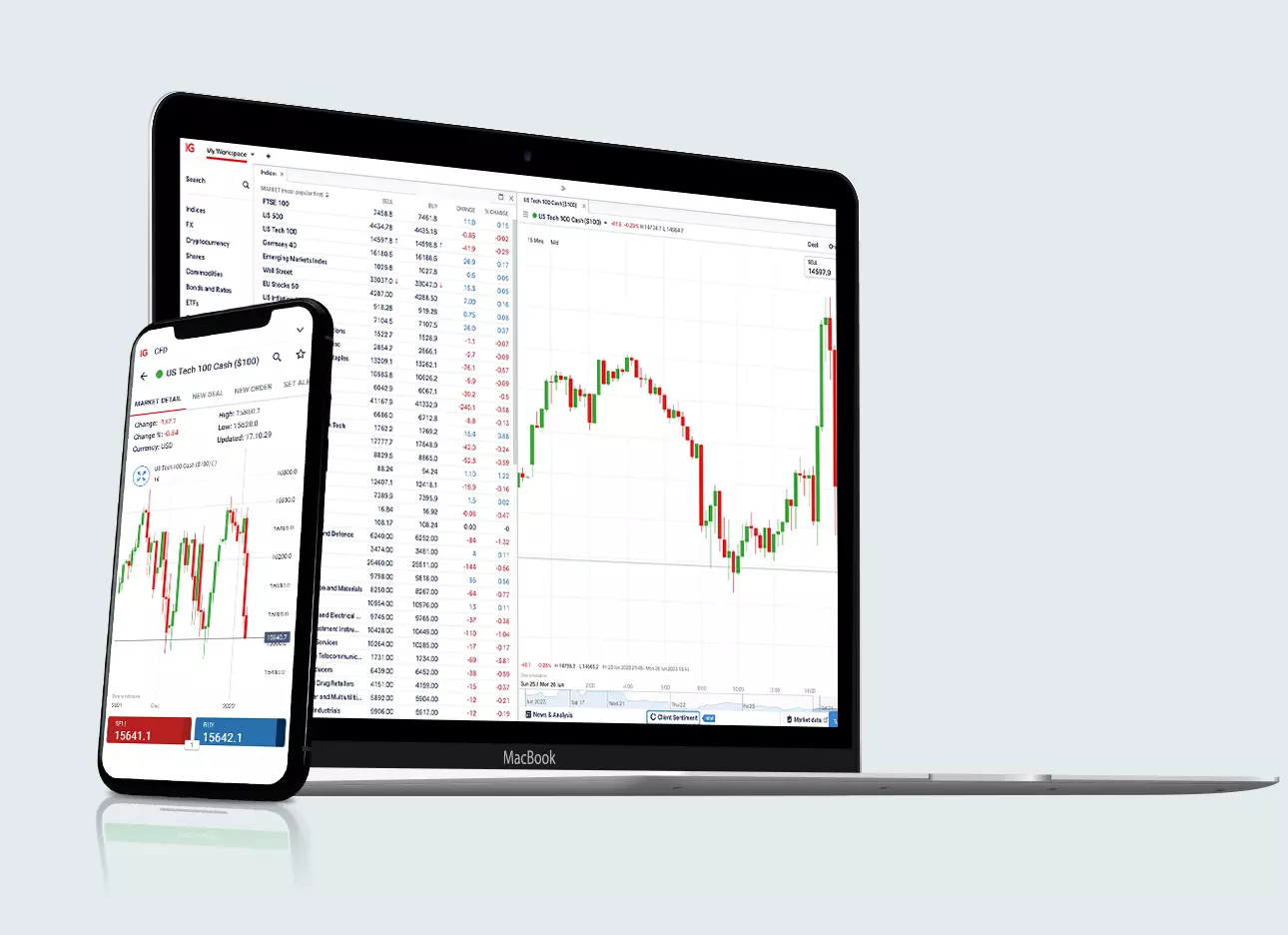

The online-broker landscape in 2025 rewards traders who balance low costs with robust trading platforms. Zero-commission trades are now commonplace, but the real differentiators are order execution quality, advanced trading tools, options/futures pricing, fractional shares, account features, and platform stability during volatile markets. This guide breaks down the top brokers you should consider in 2025, compares them in a clear table, and explains which one suits different investor types.
Short take: Fidelity, Charles Schwab, and Interactive Brokers remain the top all-around choices for most investors because they combine low fees with powerful platforms and deep research tools. If you want a mobile-first, simple experience, Robinhood and Webull are solid — but they trade a bit of sophistication and institutional-grade features for simplicity and gamified UX. Bankrate+1
Quick comparison table — at a glance
| Broker | Stock/ETF Commissions | Options per-contract | Account minimum | Best platform(s) | Fractional shares | Best for |
|---|---|---|---|---|---|---|
| Fidelity | $0 stock/ETF trades. | Options contracts ~$0.65 typical. NerdWallet | $0 | Fidelity.com, Active Trader Pro | Yes (~7,000+ tickers). Unbiased | Beginners to active investors, research-focused |
| Charles Schwab | $0 stock/ETF trades. | Options ~ $0.65 per contract (typical). | $0 | Schwab Mobile, StreetSmart Edge / thinkorswim tools integrated. StockBrokers.com | Yes | All-purpose; strong for active traders |
| Interactive Brokers (IBKR) | IBKR Lite: $0; IBKR Pro: tiered/low per-share. NerdWallet+1 | Pro: $0.15–$0.65 per contract; Lite: $0.65 | $0 | Trader Workstation (TWS), Client Portal, IBKR Mobile | Yes (Lite & Pro) | Active, international, professional traders |
| Robinhood | $0 stock/ETF trades. | Very low per-contract or included; some sources list $0.04–$0.65 variance. Business Insider+1 | $0 | Robinhood app, Robinhood Legend (web) | Yes (fractional from $1) | Mobile-first beginners, casual traders |
| Webull | $0 stock/ETF trades. | Commission-free for many options; exchange fees may apply. SmartAsset+1 | $0 | Webull Desktop & Mobile | Yes | Beginners who want advanced charts, paper trading |
| E*TRADE (Morgan Stanley) | $0 stock/ETF trades. | Options per-contract typical ~$0.65 | $0 | E*TRADE Pro, web/mobile | Yes | Investors needing solid tools + advisor links |
(Notes: pricing and product features vary by account type, promotions, and regulatory changes. Table cites the most load-bearing data.) SmartAsset+3NerdWallet+3NerdWallet+3
Why fees aren’t the whole story anymore
Back in the late 2010s and early 2020s, brokers competed primarily on commission cuts. By 2025, $0 stock and ETF trades are standard across most major U.S. brokers. That means fees are only the starting point. The important follow-ups are:
- Order execution quality (did your market order get filled at a fair price?),
- Platform uptime and speed during high-volume days,
- Availability and cost of options/futures, and
- The quality of data, research, and margin pricing.
Large review sites and award lists in 2025 still rank Fidelity, Schwab, and Interactive Brokers at the top because they combine competitive pricing with institutional-grade execution and research. Bankrate+1
Deep dives: the top contenders
1) Fidelity — Best for research and long-term investors
Why it stands out: Fidelity in 2025 continues to offer $0 trades for stocks and ETFs, generous fractional share access, a strong research ecosystem, and low nuisance fees. Their Active Trader Pro platform is robust for active traders while their web/mobile experience remains beginner-friendly. NerdWallet+1
Strengths
- Excellent research and screeners.
- Competitive options pricing (contracts typically around $0.65).
- Fractional-share program covering thousands of tickers. Unbiased
- No account maintenance fees and strong customer service.
Considerations
- During extreme volatility, Fidelity — like other major brokers — has occasionally reported outages or performance degradation in 2025; check recent uptime history for mission-critical trading. MarketWatch
Ideal for: Buy-and-hold investors who also want an upgrade path to active trading without switching brokers.
2) Charles Schwab — Best for the active trader who also wants full-service features
Why it stands out: Schwab’s integration of TD Ameritrade’s tools (notably thinkorswim) gives it an edge in advanced charting, options analytics, and multi-asset trading tools. Schwab pairs $0 stock/ETF trades with a full-service offering (banking, lending, advisory services). StockBrokers.com+1
Strengths
- Thinkorswim-level tools and StreetSmart Edge-like capabilities for active traders.
- Strong customer support and branch network for investors who want in-person access.
- Competitive pricing and many no-transaction-fee mutual funds.
Considerations
- Margin rates and margin policies can be higher than some discount-only platforms.
- Historically, very large outages have happened at large brokers occasionally; no platform is immune. (Keep an eye on status pages on big news days.) NewTrading
Ideal for: Traders who want pro-level tools plus full-service features and banking integrations.
3) Interactive Brokers (IBKR) — Best for pros and international traders
Why it stands out: Interactive Brokers offers two primary pricing plans — IBKR Lite (zero-commission stocks/ETFs with PFOF) and IBKR Pro (tiered/volume pricing for professionals). Their Trader Workstation (TWS) is unmatched for advanced order types, international market access, and derivatives. Interactive Brokers+1
Strengths
- Industry-leading global market access and margin rates.
- Flexible pricing models for different trader profiles.
- Robust API and algorithmic trading tools for advanced users.
Considerations
- TWS has a steep learning curve — not for complete beginners.
- Some retail traders prefer simpler apps for mobile trading.
Ideal for: Active option/futures traders, hedge-fund-style strategies, and investors who trade across global exchanges.
4) Robinhood — Best for mobile-first simplicity and quick access
Why it stands out: Robinhood continues to appeal to newcomers thanks to a clean app, fractional shares, and commission-free trades. They’ve expanded web-based “Legend” trading tools and launched additional features (Robo-ish “Strategies”, margin tiers, etc.). Business Insider+1
Strengths
- Extremely simple onboarding and UX.
- Fractional shares from small dollar amounts ($1 typical).
- Competitive additions like low-fee managed portfolios.
Considerations / Risk signals
- Robinhood has faced regulatory scrutiny and fines in recent years (settlements and regulatory enforcement actions in early 2020s and 2025-era probes), and some outages under extreme market stress have been documented. That history is important for risk-sensitive traders. Reuters+1
Ideal for: Beginners who want the simplest route into markets and don’t require pro-level tools.
5) Webull — Best for chart-focused beginners who want free tools
Why it stands out: Webull blends an intuitive mobile app with advanced charting, paper trading, and no commissions. It’s a middle ground between Robinhood simplicity and true pro tools. SmartAsset+1
Strengths
- Strong technical analysis tools and paper trading.
- No inactivity fees or extra charges for standard interactions.
- Good for options on retail scale.
Considerations
- Research content is improving but not as deep as Fidelity or Schwab.
- Less institutional order routing/execution enhancement compared with top-tier brokers.
Ideal for: Traders focused on technical analysis who want an inexpensive lab to practice.
Fees and hidden costs to watch for (beyond commissions)
Even with $0 commission trades, brokers still make money (and some costs can surprise you):
- Options contract fees and exchange fees — many brokers still charge per-contract fees (commonly ~$0.15–$0.65 depending on plan), and exchange/clearing fees may apply. Compare contract pricing if you trade lots of options. NerdWallet+1
- Margin interest — margin rates differ widely; high-volume traders should compare margin APRs. Interactive Brokers often has attractive margin for professionals. NerdWallet
- Payment for order flow (PFOF) — brokers like Robinhood and some “lite” plans route orders to market makers and receive PFOF. That can keep commissions low but may affect execution quality in certain conditions. StockBrokers.com
- Non-trading fees — wire fees, broker-assisted trade fees, paper statement charges, and transfer fees sometimes appear. Read fee schedules carefully.
- Service disruptions — platform outages can have real financial consequences on high-volatility days. They aren’t a fee, but they are a cost. In 2025 several major brokers reported sporadic issues during market-moving events. MarketWatch+1
Matching a broker to your profile — practical advice
- If you’re a beginner who values research + low cost: Start with Fidelity. It’s user-friendly, inexpensive, and has excellent educational resources. NerdWallet
- If you’re an active options/technical trader: Schwab (thinkorswim tools) or Interactive Brokers (TWS) give you the order types and analytics you’ll need. StockBrokers.com+1
- If you want simple mobile trades and micro-investing: Robinhood or Webull are great entry points, but be mindful of regulatory baggage and service stability. Business Insider+1
- If you trade globally or need professional APIs: Interactive Brokers is the natural choice for multi-market access and advanced algos. Interactive Brokers
How to test a broker before committing
- Paper trade — many brokers (Webull, Interactive Brokers) offer paper trading. Use it to test orders and platform responsiveness. YouTube+1
- Try small live trades — verify fill quality for market and limit orders and check how rapidly customer service responds.
- Watch for latency and uptime on a high-volatility day (earnings, macro news). Platforms differ in how they behave under stress. MarketWatch+1
- Read the fine print on options and margin pricing — per-contract fees and margin APR can add up.
Final recommendations (quick checklist)
- Pick a primary broker that matches your long-term needs (Fidelity or Schwab for general investors; IBKR for global/pro traders). NerdWallet+1
- Use a secondary app (Robinhood/Webull) if you want a simplified mobile front-end or to experiment with small-dollar investments. Business Insider+1
- Keep an eye on service status on big news days. Platform outages are rare but consequential; diversify critical execution channels if you rely on day trading. MarketWatch+1
- Re-check fee schedules annually — banks and brokers sometimes change terms, introduce premium features, or alter order-routing practices.
Appendices
A. Glossary (short)
- PFOF (Payment for order flow): Brokers route orders to market makers who pay the broker for the flow; common in “free trade” models. StockBrokers.com
- Commission-free: No per-trade fee for buying/selling stocks/ETFs; other fees may still apply. NerdWallet
- Fractional shares: Allows investing in part of a share — great for diversification with limited capital. Unbiased
Closing thoughts
Choosing the best broker in 2025 is less about whether it charges $0 per trade (most do) and more about how well it executes, the tools it provides for your strategy, and how it behaves when markets are noisy. Fidelity, Charles Schwab, and Interactive Brokers consistently balance low costs with powerful platforms and remain the safest starting points for most traders. Robinhood and Webull are great for mobile-first, low-friction trading but carry trade-offs in sophistication and regulatory history that you should weigh.