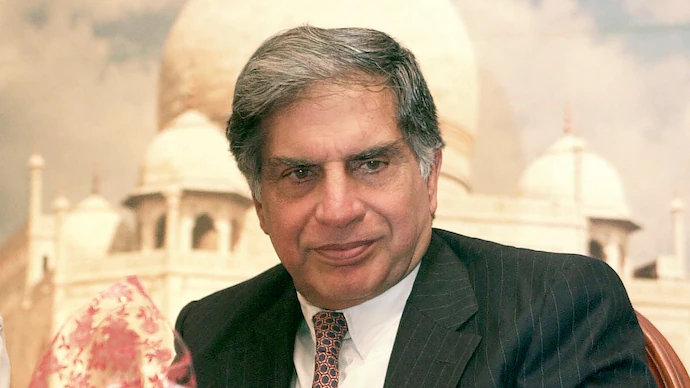

🧠 Introduction: The Gentleman Tycoon Who Quietly Rewrote the Rules
In a world obsessed with yachts, private islands, and splashy Instagram lifestyles, Ratan Tata is a different breed of billionaire — one who prefers a simple ride, rescue dogs, and building hospitals over headlines. As the former chairman of Tata Sons, he led India’s most respected conglomerate into the global era, buying brands and engineering deals that made the world take notice.
So here’s the hook for North American readers: in 2025, Ratan Tata’s personal net worth is modest by billionaire standards — roughly $1 billion to $1.8 billion — yet the footprint of his influence spans far beyond that number. The Tata Group is worth over $300 billion, and more than 65% of Tata Sons is owned by charitable trusts. Translation: much of the empire he helped build is legally structured to serve people, not personal luxury. That contrast? It’s a story Americans and Canadians love — power used for purpose.
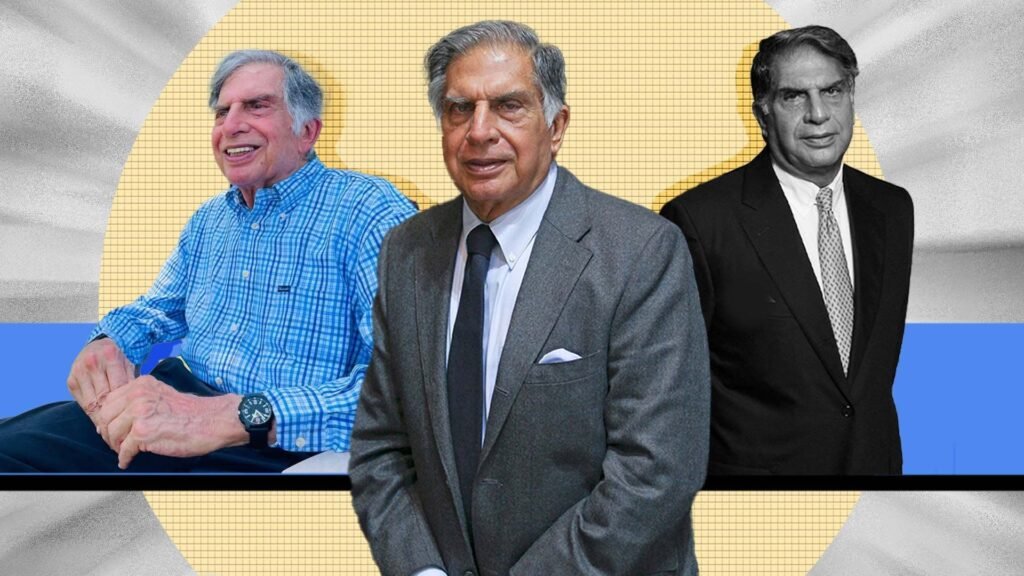
👶 Humble Roots, Grand Vision
Born December 28, 1937, into the pioneering Tata family, Ratan Tata’s upbringing mixed privilege with strong values. He studied architecture and structural engineering at Cornell University, then returned to India to earn his stripes — literally — on the Tata Steel shop floor. He learned the business by doing the heavy lifting, and that shaped everything about his leadership: hands-on, respectful, and quietly ambitious.
This is the man who once said:
“I don’t believe in taking right decisions. I take decisions and then make them right.”
That line captures his posture: decisive, pragmatic, and committed to outcomes rather than ego.
🚀 The Transformation Architect: Turning Tata Global
When Ratan Tata became chairman in 1991, India was opening up to the world. He used that moment to think global:
- Tetley Tea (UK) — Tata Tea’s move into global beverages.
- Corus Steel (UK) — a bold, controversial bet on steel.
- Jaguar Land Rover (UK) — the game-changing acquisition that put Tata Motors on the global map.
These weren’t just trophy buys. They were strategic plays that built Tata’s international muscle and showed the world that an Indian conglomerate could own and run iconic Western brands. For U.S. and Canadian readers, it’s similar to watching a private equity titan quietly assemble a cross-border portfolio — except with an ethical twist.
🚗 The Tata Nano: Dream, Not Disaster
In 2008, Tata launched the Nano, pitched as the world’s most affordable car. It flopped commercially, but it wasn’t a failure in spirit. The Nano embodied Tata’s belief in inclusive innovation — designing solutions for the many, not just the wealthy few. That sensibility is rare among business titans and is part of why Tata remains beloved.
💰 Net Worth in 2025: Why the Number Isn’t the Point
Yes — Ratan Tata’s personal wealth is far smaller than the Tata empire. Why? Because the group’s ownership is held largely by Tata Trusts, charitable entities that fund hospitals, education, and rural initiatives across India. The man who could’ve reaped the headlines chose a structure that channels capital into social good.
Quick breakdown (estimates for 2025):
- Personal investments & stakes: ~$1–1.8 billion
- Real estate & personal assets: modest by billionaire standards
- Tata Group valuation (indirect influence): $300+ billion (majority owned by trusts)
So while he may not appear on lists of the very richest in dollar terms, his real legacy reads like a balance sheet of social impact.
❤️ Philanthropy as Purpose, Not PR
Ratan Tata’s giving isn’t performative. Through Tata Trusts he’s funded cancer hospitals, scholarships, clean-water projects, rural development, and animal welfare. He’s also invested in Indian startups (Ola, Paytm, Xiaomi, and more), mentoring entrepreneurs rather than just writing checks. That hands-on, humility-first approach matters to Western readers who increasingly value ESG-minded leaders.
Another line that cuts to the core of his leadership:
“Ups and downs in life are very important to keep us going, because a straight line even in an ECG means we are not alive.”
It’s not just a quip — it’s a worldview that tolerates risk, failure, and resilience.
🧠 Investments, Mentorship, and the Quiet Boardroom Power
Even after stepping down as chairman in 2012, Tata remained an investor and mentor. His personal bets into tech and mobility show he’s not stuck in old-school industry thinking — he believes in modern disruption that benefits people. For North American audiences, think of him as a cross between an old-school industrial magnate and an angel investor who prefers low profile, high impact.
🏅 The Awards, Respect, and the Man Offstage
Ratan Tata has been honored worldwide — Padma Bhushan, Padma Vibhushan, honorary UK honors — but he’s notably private. He never married; he adopts street dogs and once famously took economy class to listen to a startup pitch. That humility is a magnet for public admiration and a reminder that leadership can be measured in dignity, not decadence.
A final line that sums up his ethos:
“Power and wealth are not two of my main stakes.”
Simple. Precise. Radical in a billionaire era.
🔮 Final Thoughts: Why North Americans Should Care
For readers in the USA and Canada, Ratan Tata’s story is a compelling alternative model of success: global scale without self-aggrandizement, corporate might channeled through public good, and innovation aimed at inclusion. In an era when many wonder whether capitalism can be humane, Tata’s playbook offers hope.
He didn’t just create businesses—he built institutions that outlive him and lift communities. In the scoreboard of human value, that’s a legacy worth more than a headline net worth figure.